Drone Tariffs, Section 301 Probe Nears Decision, and White House Targets Transshipment
Last week, the White House announced a 100% Section 232 tariff on large drones and critical components, citing their dual-use applications. The duties are set to take effect on September 3.

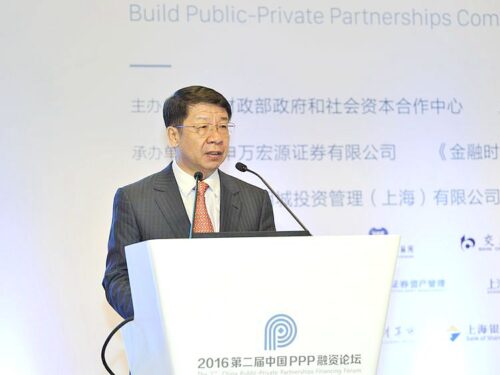
China’s Ambition for More Private-Public Partnerships
Last month, the National Development and Reform Commission (NDRC) released the list for a third round of private-public partnership (PPP) projects worth RMB 2.14 trillion. This round of PPP projects focuses on promoting traditional infrastructure construction, covering 1,233 projects in seven major areas: energy, transportation, water conservancy, environmental protection, agriculture, forestry, and urban projects. China’s government is vigorously promoting PPP projects, considering them to be the most important domestic investment projects.
China Implements New Unified Work Permit Pilot Scheme
On September 9, 2016, the State Administration of Foreign Experts Affairs’ (SAFEA) announced that the existing Foreign Expert Permit and Alien Employment License will be merged into a single permit. The new permit introduces a tiered classification system for foreign workers, as well as a streamlined online application and tracking system to attract more high-level foreign talent.
Difficulties of unprecedented scale confront global governance and inefficient multilateral mechanisms. To face the difficulties which challenge the formation and implementation of global governance rules, multilateral mechanisms must find ways to avert the threat of world economic recession, reform the international financial system, resolve issues in the Doha round, prevent nuclear weapon proliferation, resolve maritime disputes and antagonism, handle surging Muslim inflows in Europe, and combat terrorism. The global undertaking to combat climate change is a rare bright spot; the significant global progress on climate change since 2013 is largely attributable to China’s major initiatives and effective consultation and coordination between China and the United States, the world’s primary emitters.
The CNCA is responsible for implementation rules, which are rules developed for specific China Compulsory Certification (CCC) categories. These rules pertain to the scope of the category, the requirements of factory inspections, and product surveillance. China Compulsory Certification is required for more than 132 categories of products looking to enter the Chinese market. The rules for each category can be difficult to manage—and when changes come, it can be particularly frustrating.
Social media transformed the ways in which people connect with others, evaluate information, follow news and trends, and even how they shape government policy, but companies have yet to embrace social media advocacy in the ever-important China market.
We’ve curated the best of China Business Review into a traditional, easy-to-navigate magazine format. Don’t miss the innovative advertising opportunities to reach our well-informed audience.
China Business Review (Archive Only)
Carly Brockinton