Wilson Hui
Deputy Director, Government Affairs
US-China Business Council
Shanghai
Deputy Director, Government Affairs
US-China Business Council
Shanghai
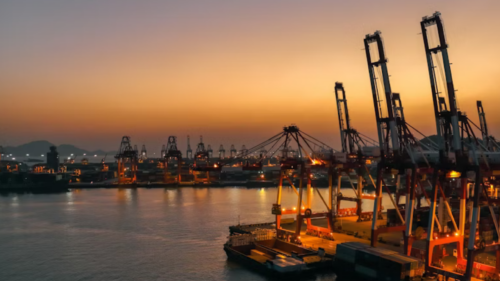
In December, China officially opened the Hainan Free Trade Port (FTP). The Belgium-sized Hainan Island is now a separate customs territory, allowing goods to enter the island tariff-free and exempt from value-added and consumption taxes across 74% of tariff categories. Items subsequently shipped to mainland China may also qualify for tariff-free treatment if their local processing in Hainan accounts for at least 30% value-added.
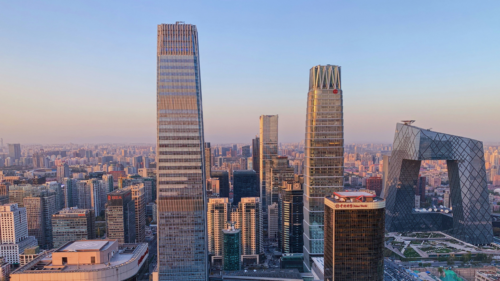
The Chinese People’s Political Consultative Conference will begin on March 4, followed by the National People’s Congress (NPC) on March 5. Together, these meetings—known as the “two sessions”—serve as China’s most important annual political event, shaping the direction of national economic and social policy.
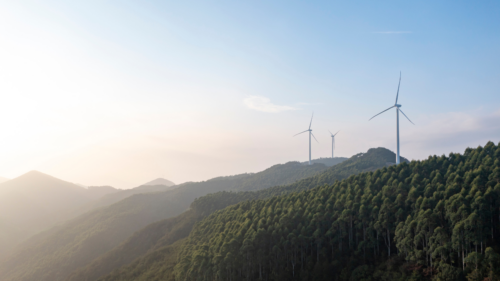
China released a rapid-fire burst of climate policies in the first half of August to accelerate progress on the country’s goal to reach peak carbon by 2030. The policy rollout comes after the official readout of the Third Plenum called for a concerted effort to cut emissions, the first time carbon emissions were mentioned in a plenum document.
With carbon capture, utilization, and storage (CCUS) and methane emerging as the two main areas of consensus on climate cooperation between the United States and China, both areas present opportunities for companies operating in these fields. Climate envoys John Podesta and Liu Zhenmin focused on these two areas during a meeting in Washington, DC, in early May.
The Chinese People’s Political Consultative Conference (CPPCC) will open on March 4, followed by the start of the National People’s Congress (NPC) on March 5. These meetings are collectively known as the Two Sessions, China’s most important annual political event where the country’s high-level economic policies for the coming year are laid out in the Government Work Report, which will be delivered by Premier Li Qiang.