Drone Tariffs, Section 301 Probe Nears Decision, and White House Targets Transshipment
Last week, the White House announced a 100% Section 232 tariff on large drones and critical components, citing their dual-use applications. The duties are set to take effect on September 3.

The Chinese healthcare sector, which accounted for 6 percent of the country’s GDP in 2016, is expected to capture a 10 percent share in the coming years. Racing to establish a modern system of coverage, services, and products to accommodate the world’s largest population and fastest growing economy, China faces a number of development challenges.
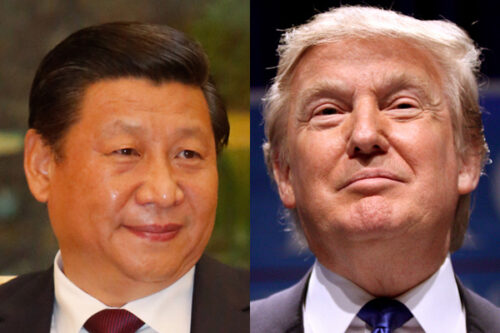
Trump and Xi Need to Create a Stronger Framework for US-China Relations
Leaders of the world’s two most powerful economies will sit down together for the first time tomorrow. The list of topics to cover could be long. But this meeting is more about the relationship that will be established between President Donald J. Trump and his Chinese counterpart, Xi Jinping.
Recently, the Committee on Foreign Investment in the United States (CFIUS) has been thrust into the limelight with a spate of high-profile deals. An inter-agency committee of the US government, CFIUS has the authority to review, for national security reasons, any transaction that would result in a foreign entity having control of a US asset. CFIUS has the power to investigate, modify or recommend that the president block any transaction for which it judges national security concerns cannot be mitigated.
Two Sessions: Consolidating the “Core” While Slow-walking Reforms
The recent two sessions of China’s legislature and advisory bodies were resplendent with “core of the core” choreography ensuring everybody was in lock-step with President Xi Jinping, the leader of the Chinese Communist Party, and with the party, the authority on government entities and action. On the policy side, the prevailing narrative was to slow-walk reforms while fast-tracking state-led entrepreneurship and top-shelf technology acquisition.