Member Exclusive
Commerce Tightens Chip Access, Trump and Xi Meet at APEC
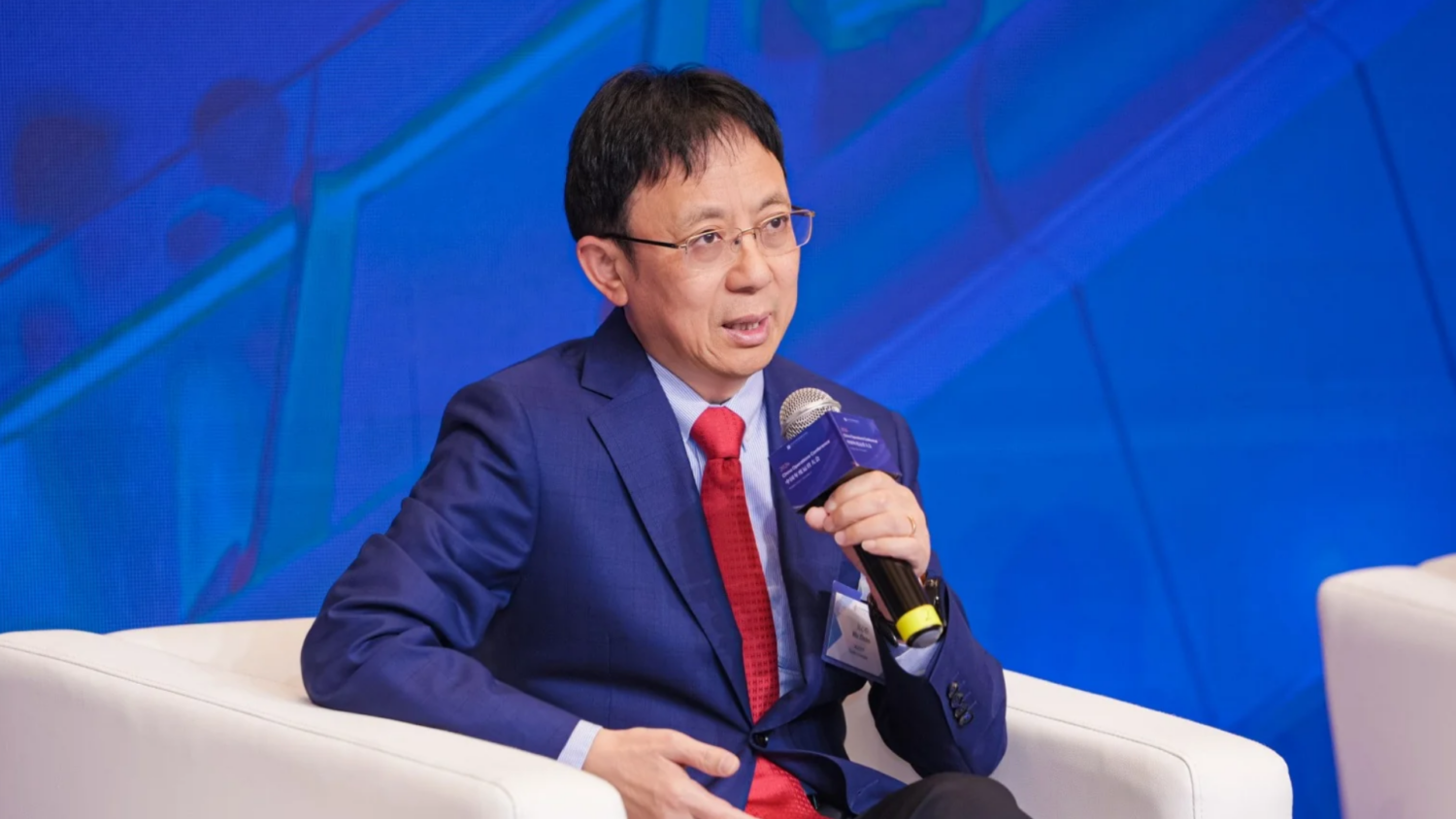
Dr. Wu is professor and dean of the Institute of International Studies and director of the Center for American Studies at Fudan University. His research focuses on China’s foreign and security policy, Sino-US relations, and US Asia-Pacific strategy. He is the author of several books, and his work has appeared in Foreign Affairs, International Affairs, and The Washington Quarterly, among other leading journals.
Dr. Wu serves on the policy advisory board of the Chinese Ministry of Foreign Affairs and sits on the editorial boards of several international journals. He is currently a member of the Advisory Council of the Asia Society Policy Institute and The Trilateral Commission.
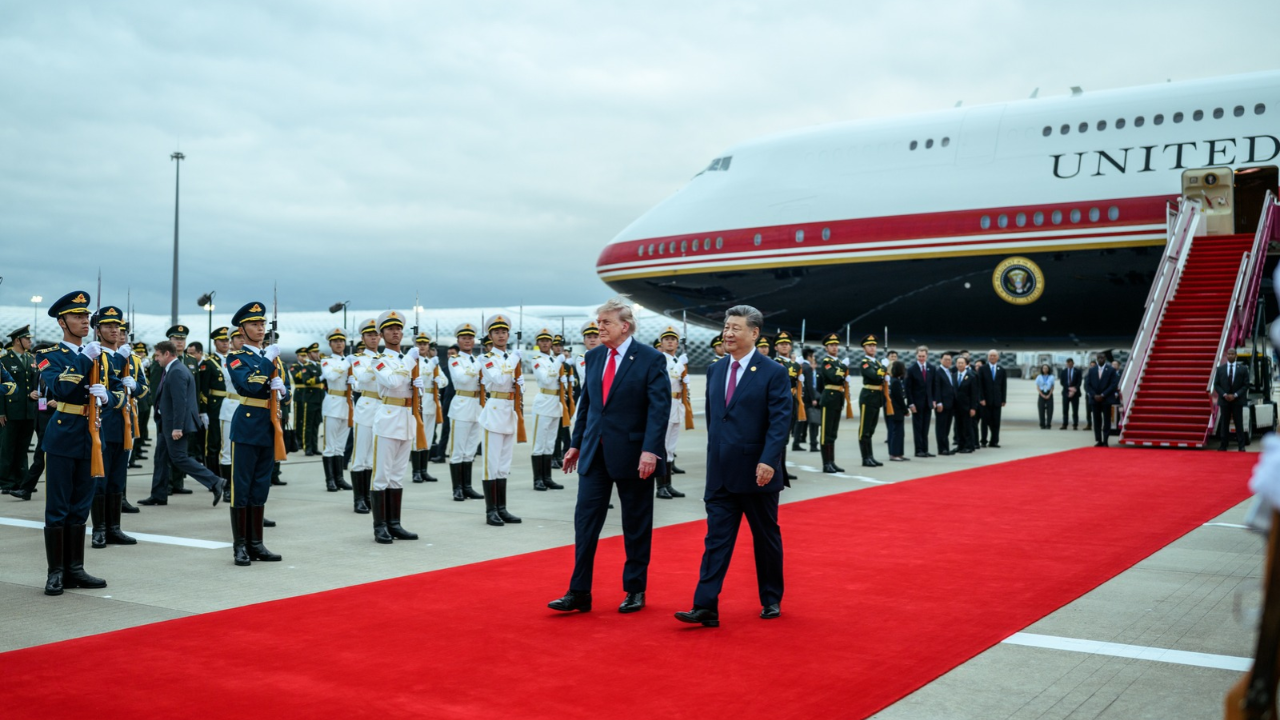
After Busan, we entered an era which can be called tactical stability, because both sides agreed to take a break from escalation. However, no major problems were resolved, and no major agreements were achieved. After the May summit in Beijing, the two sides agreed to the vision of constructive strategic stability. For the first time since Trump 1.0, the US side proposed strategic stability rather than emphasizing strategic competition. In that sense, I think the Washington summit in September worked to maintain this positive trend.
So what does this mean in the broad context of China-US relations? In the last two years, both sides have tried to redefine the boundaries of the relationship. Last year, we hit the bottom line of this relationship with the tariff fight, export controls, affiliates rule, and issue of arms sales to Taiwan. Since May, we’ve been exploring where the ceiling is by improving trade and economic relations and expanding cooperation in areas of mutual interest. I think we’re still in the exploring period. Looking to the months ahead, I’m hopeful that we can make steady progress.
I think those keywords generally represent the consensus from both sides that guides how they will deal with each other in the months and years to come. Having said that, the two sides still have deep differences about how to translate those three words into policy and into specific interactions with the other.
We all agree that we should treat each other with respect — no problem. But for China, that also means you should respect China’s core national interests, China’s political system, our core concern on the Taiwan issue, and economic development rights. For the US side, this is not what they mean.
It doesn’t mean we will deliver a result that is 50-50 for each side on every issue.
With “fairness,” we agree in concept that we should be fair with each other. But the Trump administration’s position places a strong emphasis on fair trade, which to them means balanced trade. That is not going to happen because of the structure of each economy.
And finally, “reciprocity.” This means every time we sit down for negotiations, we should address mutual concerns and each other’s concerns, not just one-sided concerns. It doesn’t mean we will deliver a result that is 50-50 for each side on every issue. Be it technology, investment, trade, supply chain — it is a very dynamic process in which we will use reciprocity as the spirit of our approach rather than the specific formula or arrangement of the relationship.
During the Biden administration, the purpose of the United States’ China policy was to make sure that the United States will remain stronger and more powerful than China. Today, I think the challenge for both sides is reducing their vulnerability to the other. For the United States, that’s dependence on China for rare earths, active pharmaceutical ingredients, and some other intermediary products. For China, it has to do with advanced chips, some chemicals and raw materials, and aircraft engines. In this interim period of the next three or five years, each side will focus on improving its own capabilities, and nobody can predict how long this will take.
Can the United States reduce its dependence on China within five years? I doubt it. Will China be self-sufficient in advanced chips or aircraft engines? We’re working hard, but I don’t know. We’re in a very dynamic and fluid period. The good news is that both sides realize how vulnerable they are and have decided to maintain stability. That is good enough for now.
The impact of the midterm election on US domestic politics is a major potential risk. If Trump is brought under pressure, from both Democrats and Republicans, to resume the arms deal to Taiwan, that’s going to have a major impact on strategic stability and the so-called truce. That’s the only major risk I can imagine at the moment.
While Trump has become more pragmatic on China, his perspective has not been translated into a common understanding within the bureaucracy or his team.
Another risk is that while Trump has become more pragmatic on China, his perspective has not been translated into a common understanding within the bureaucracy or his team. I think the bureaucracy in Washington still believes China is America’s arch strategic competitor, and that US policy should be geared toward containing China. Now that Trump has been weakened after the midterms, some of the China hawks on his team, from both the national security side but also the economic side, may take the opportunity to push a more hawkish agenda. We saw this last year by the Commerce Department. If we return to that place, China will certainly retaliate.
It’s a mixed picture. Some countries will be less likely to bow to pressure from Washington to restrict their trade and economic relations with China as the United States itself is improving relations with China. Compared with last year, China has become more confident that third countries are now more clear-eyed about the situation. They would love to maximize their interests amid China-US entanglement rather than choosing a side. So, that’s something that has changed recently.
It’s important to remember this is not really a Chinese model. Before China, you had Japan, South Korea, and others that followed this export-led growth model at certain stages of their development. What’s different for China today is that in the early stage we had to rely on this model largely because we needed to get the surplus to reinvest in our economic development by exporting labor-intensive products, sometimes compromising environmental standards. Today is different. If you look at Chinese production, most of the growth in the last several years comes from what we call the new quality productive forces, like EVs, solar panels, these kinds of goods. China is moving up the value chain, and if you get there, you can make an export-led growth model sustainable.
Very naturally, Global South countries are viewing China as a more reliable partner.
More broadly speaking, I think in the last several years China has become a major source of investment and technology transfer for Global South countries. The West has been a source of investment and technology, but now China is, too. So that will certainly turn China into a major economic partner to Global South countries, and of course this will spill over into political relations, especially with a United States that favors tariffs and unilateralism. Very naturally, Global South countries are viewing China as a more reliable partner.
Additionally, if some level of decoupling from the United States is inevitable, we have to find an alternative market. That’s the Global South, and it’s already happening. Whether this helps or hurts China’s foreign policy with other partners varies. For example, with EV exports to the Global South, this is not a problem for them because they do not have this industry. But if you look at Germany, it’s a big problem for them.
I think this has turned out to be a successful meeting among the three leaders in terms of facilitating exchanges and coordination, and the Peace Declaration issued after the meeting demonstrated that if the three powerful countries agree to cooperate, they can deal with a wide range of challenges to the world economy and international security. The trilateral summit meeting may take place again in the next two years, and we are also likely to see more interactions among the three countries at the working level.
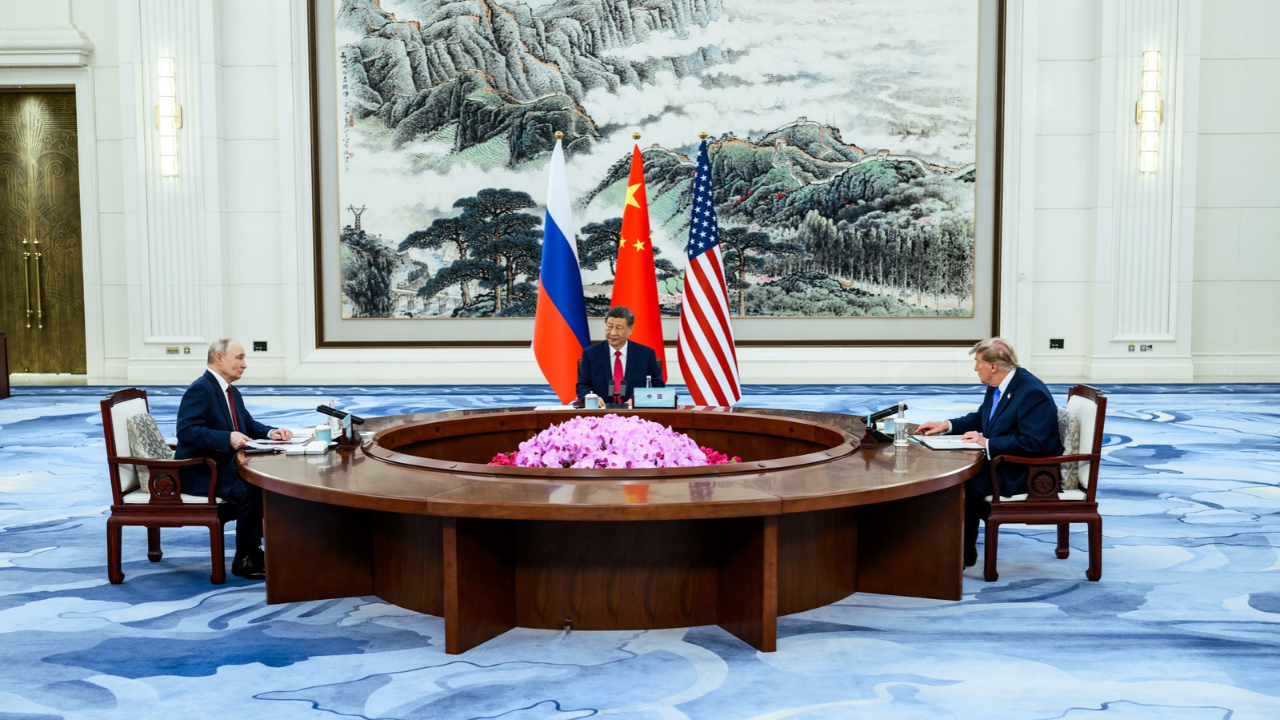
For the G20 summit in December, I’d guess we will discuss issues related to finance, economy, energy, supply chain, AI — all the regular topics. One important item is improving cooperation in the financial sector. The United States is now talking about the devaluation of China’s currency, while in China we worry about the US federal debt and a potential financial crisis. We worry about the safety of the federal bonds that China has purchased from the United States. The two leaders should discuss this.
Depending on the progress of the Board of Investment before the December summit, they should also discuss how to promote two-way investments. I understand Trump and Treasury Secretary Scott Bessent would welcome Chinese investment in non-strategic, non-sensitive areas, but they are confronting pressure from national security hawks, protectionist voices from industry, and the Democrats. We are making steady progress within the context of the Board of Trade, and investment should be next.