China Provisions in the House and Senate NDAA Drafts
The National Defense Authorization Act (NDAA) for 2027 is coming into focus after the House and Senate armed services committees advanced their versions of the bill earlier this month.

While the Trump administration’s trade and economic policies remain uncertain, China has doubled down on bilateral and multilateral negotiations and initiatives, with high-level rhetoric to match. Amid US reticence to bear the burden of global economic leadership, China’s active, outspoken diplomacy suggests an attempt to step into the role. But the devil is in the details, and Chinese initiatives reveal the country still has room to grow as globalization’s champion.
Calling something a ‘win-win’ is one of Beijing’s favorite phrases, and whether it is derided as a slogan for China’s external relations or is explained as a core principle in China’s foreign policy approach, there is no doubt that it is firmly part of Beijing’s official lexicon. Finding situations where everybody wins is not easy, especially at the global level, but with green finance, China has come close to the fulfilling the true meaning of the term.
The 2012 launch of China’s anticorruption campaign has renewed US companies’ attention to anti-bribery, competition, and corruption-related policies and regulations. The challenges of compliance have continued to evolve since the US-China Business Council’s (USCBC) 2013 Compliance Best Practices Report, as China has promulgated new local laws and regulations. As USCBC members work to ensure compliance, however, they continue to cite the same four challenges: tracking multiple Chinese laws; adapting global policy to regional issues; managing stricter expense approvals and gift giving thresholds; and building comprehensive compliance training programs.
In December 2016, the National People’s Congress promulgated China’s first Environmental Protection Tax Law (the EPT Law), replacing the existing Pollutant Discharge Fees (PDF) system in a bid to strengthen the enforcement of environmental regulations. Given the EPT Law’s impact on China’s tax system, enterprises producing contaminants, as well as taxpayers and new market entrants need to understand the new developments in order to better prepare for future compliance requirements.
Chinese entities looking to invest in the United States or acquire US corporations should expect 2017 to be filled with greater energy and uncertainty due to a number of factors. Most notably, the policies and rhetoric of the administration of President Donald Trump, who was elected after a political campaign of “economic nationalism” and protectionist rhetoric.
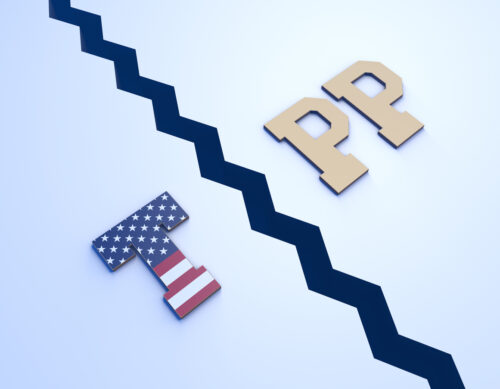
Early in his presidency, Trump signed a presidential memorandum announcing America’s withdrawal from the Trans Pacific Partnership (TPP). But TPP survived the setback, and people are still referring to it as an embodiment of what is to come in global trade and investment development.