Research & Analysis

Trump-Xi Summit Delayed, USG Rebuilding Leverage, and House Sounds China Alarm in Robotics, Pharma
Member Exclusive

Trump-Xi Summit Delayed, USG Rebuilding Leverage, and House Sounds China Alarm in Robotics, Pharma

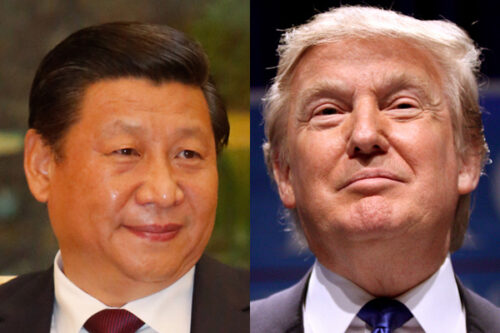
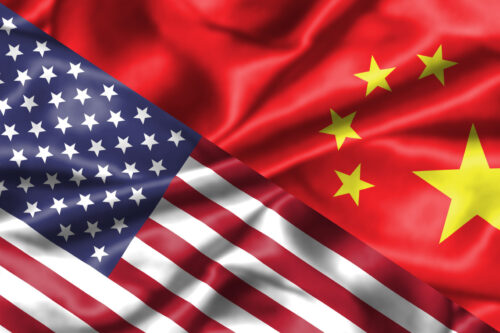
President Donald Trump on Tuesday confirmed that his state visit to China, originally scheduled for the end of March, would be pushed back by “five to six weeks.” China has not confirmed a new timeframe and said it is in communication with the United States on the visit. While the delay means there’s more time to develop deliverables, it also injects uncertainty in the bilateral relationship.

Washington Update USCBC Government Affairs

Publications

China Market Intelligence

China Market Intelligence

Member Exclusive
Short takes on policy and regulatory actions that impact the business environment.

See the articles

Washington Update

Washington Update

Member Exclusive
Weekly recaps of every noteworthy development in the US legislative and executive branches.

See the articles

Filters

Close

Filter By

Topic
Format
Publication
Date

through

26 Results Clear Filters

2902 Results

Encouraging Regional Trade Following US Withdrawal from TPP

Encouraging Regional Trade Following US Withdrawal from TPP

With the TPP’s future uncertain as a result of the withdrawal of the United States, its largest member, and with the Regional Comprehensive Economic Partnership (RCEP) negotiations entering their fifth year, Asia’s trade landscape is at a critical juncture. In evaluating the trade and investment trends and prospects in the region and around the world, members of the Asia Society Policy Institute’s Independent Commission on Trade Policy arrived at a central finding: regional trade agreements offer the best path forward to liberalize trade, raise standards, and promote broad reforms.

China Business Review (Archive Only) USCBC
Understanding China’s Tax Offenders Blacklist System

Understanding China’s Tax Offenders Blacklist System

On April 16, 2016, China’s State Administration of Taxation (SAT) published amended measures to what is known as the blacklist system against tax illegalities. The amended measures, which came into effect on June 1, 2016, add a credit repair mechanism to the original system.

China Business Review (Archive Only) USCBC
Q&A: Labor Disputes and Labor Law Compliance in China

Q&A: Labor Disputes and Labor Law Compliance in China

Labor disputes often arise due to companies underestimation or ignorance of China’s strict labor laws. Keeping up to date with China’s labor regulations and taking proper precautions to prevent disputes from occurring can save employers immeasurable stress.

China Business Review (Archive Only) USCBC
Managing Commercial and Labor Disputes in China

Managing Commercial and Labor Disputes in China

MNCs are now faced with a particularly stressful situation. As China’s economy is starting to slow, foreign companies are reassessing their footprint in China – and many have realized they no longer need the facilities, people, or partners they had. However, MNCs are finding that the broader regulatory climate and the psychology of laborers are shifting, making it difficult to safely restructure operations and prevent a labor or commercial disputes.

China Business Review (Archive Only) USCBC
Transfer Pricing in China

Transfer Pricing in China

Transfer pricing—the price charged for intercompany transactions between entities in different tax jurisdictions—can be used to shift funds within a multinational corporation (MNC), and serves as an effective means to manage a firm’s finances.

China Business Review (Archive Only) USCBC
An Overview of China’s VAT Reform

An Overview of China’s VAT Reform

Hailed as China’s most significant tax reform in more than two decades, the value-added tax (VAT) was comprehensively implemented as the country’s only indirect tax in 2016, effectively replacing the business tax (BT). The reform is part of Beijing’s efforts to restructure the Chinese economy from one driven by labor-intensive manufacturing to one that is service-oriented by easing the tax burden on service industries.

China Business Review (Archive Only) USCBC