China Provisions in the House and Senate NDAA Drafts
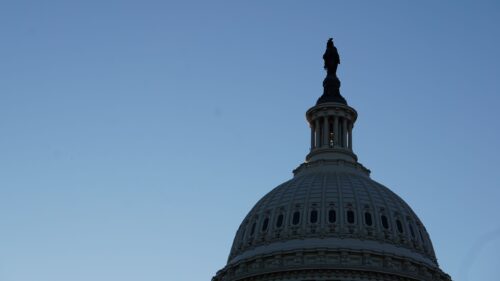
The National Defense Authorization Act (NDAA) for 2027 is coming into focus after the House and Senate armed services committees advanced their versions of the bill earlier this month.
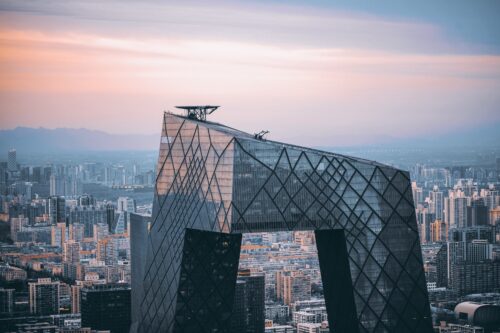
Heritage preservation has long been associated with the conservation of grand monuments driven by the state, but Kuanghan Li, director of Global Heritage Fund’s China Program, explains to Asia Society that NGOs could play the role of instigator and facilitator in heritage preservation projects.
China’s economy is changing rapidly thanks to the growing purchasing power of the expanding middle class and the digital disruption of multiple sectors. It is little wonder that competition for top Chinese talent—especially in fast-growing China-based companies—is becoming ever more intense. MNCs that can build strong leadership teams and an attractive culture—while demonstrating the opportunities for advancement to high-caliber local talent—will be more likely to attract the leaders they need to compete in the next phase of China’s economic transformation.
The Chinese government is increasing the levels of regulation for advertising, and lately its attention has turned to online advertising. Following in the footsteps of the amended 2015 Advertising Law, the State Administration of Industry and Commerce’s (SAIC) Interim Measures for the Administration of Internet Advertising came into effect September 1. The new regulation clarifies what content is considered internet advertising, lays down rules for publishers of online advertisements, and outlines investigation measures and penalties for violators. Given the ubiquity of online advertising in China, the regulations will have a widespread impact on the actions of advertisers and platform operators.
The 2016-2020 National Fitness Plan creates great potential for foreign investment. This is particularly true with football, where foreign input is highly valued in China. However, sport is only one side of the coin: fitness also provides a large opportunity. Since the Fitness Plan aims to create more fitness facilities and infrastructure, demand for gyms and other such services will undoubtedly increase in the coming years.
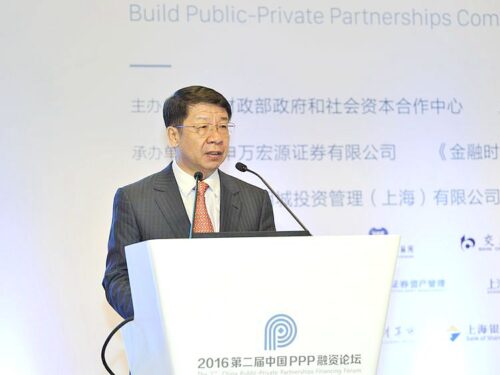
Last month, the National Development and Reform Commission (NDRC) released the list for a third round of private-public partnership (PPP) projects worth RMB 2.14 trillion. This round of PPP projects focuses on promoting traditional infrastructure construction, covering 1,233 projects in seven major areas: energy, transportation, water conservancy, environmental protection, agriculture, forestry, and urban projects. China’s government is vigorously promoting PPP projects, considering them to be the most important domestic investment projects.