China Provisions in the House and Senate NDAA Drafts
The National Defense Authorization Act (NDAA) for 2027 is coming into focus after the House and Senate armed services committees advanced their versions of the bill earlier this month.
Why the Rise of Robots Will Hit Developing Countries Hardest
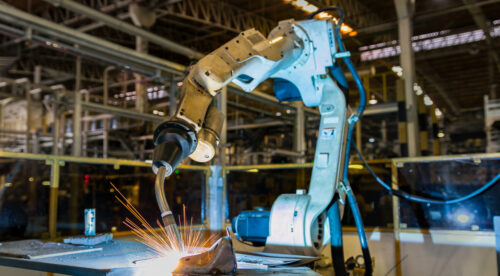
In spite of the anti-globalization rhetoric offshoring isn’t the main culprit for the decline of manufacturing jobs. A 2015 Ball State analysis found that 87 percent of American manufacturing job losses over the preceding decade could be attributed to automation and productivity gains, leaving trade responsible for as much as 13 percent. But for all the employment disruption caused thus far by technological advances, the situation, and its political side effects, is likely to become much more serious in coming years. And, contrary to the gloomy message promoted by President Trump, the United States is actually in a far more enviable position than much of the world.
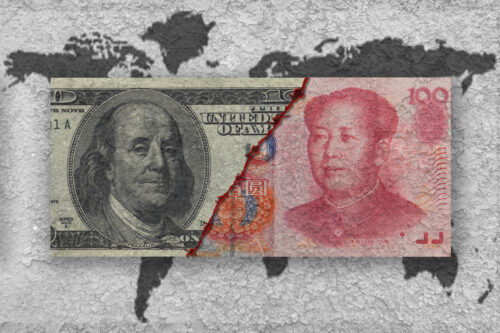
The escalated tensions between the U.S. and China are raising concerns about a potential trade war. The fact is that the business relationship between the U.S. and China is vibrant and mutually beneficial, for the most part. American companies are reporting strong second-quarter earnings and revenues from their Chinese operations. Trade with China has created millions of jobs in the U.S. and provided savings for American consumers. That said, there are real issues of contention in the relationship, and those have to be addressed in a clear, persistent and reasoned fashion. To bring the entire relationship to the brink is not only irresponsible, but self-destructive.